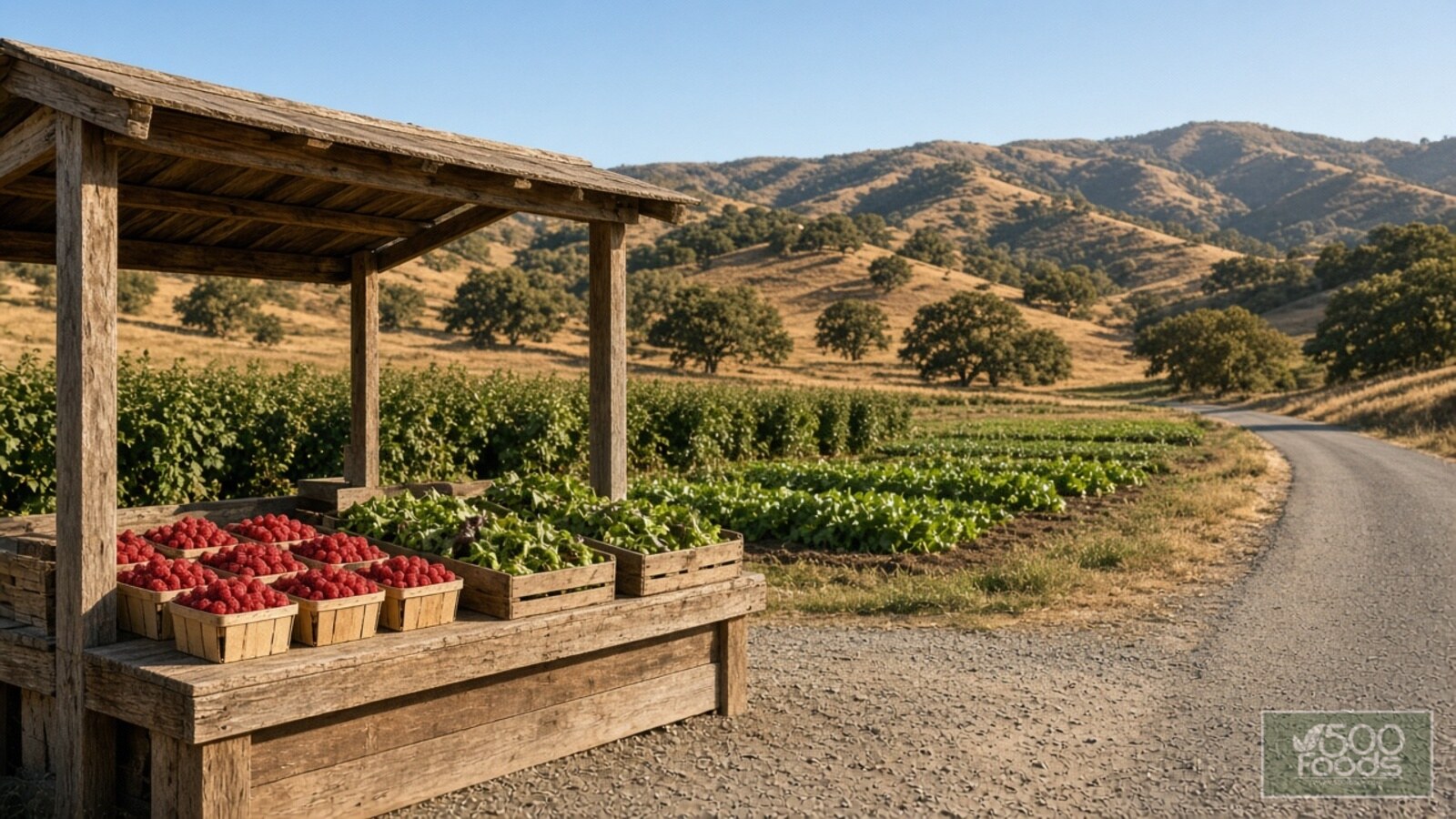
Earthbound Farm started in 1984 with a rented raspberry patch and a farm stand on Carmel Valley Road in California. A FreshPlaza recap of a 24 November 2026 Parade feature traces how founders Drew and Myra Goodman grew that roadside stand into one of the country's best-known organic produce brands, with a growing area that had reached about 20,234 hectares (50,000 acres) by 2015.
A 2.5-acre start, then a packaged-salad bet
The Goodmans began on a 2.5-acre (about 1-hectare) farm in Carmel Valley. FreshPlaza, which converted Parade's acre figures into hectares, describes Earthbound as the first company to supply prewashed and packaged salad greens on a large scale. Within 20 years, the growing area had expanded to about 12,141 hectares (30,000 acres) and more than 150 growers. By 2015 it had reached about 20,234 hectares (50,000 acres). Those are the latest size figures given in the recap; neither article updates them to 2026.
A path through private equity, WhiteWave and Taylor Farms
HM Capital acquired Earthbound Farm in 2009. In December 2013, WhiteWave Foods, then owner of Horizon Organic and the Silk plant-based brand, agreed to buy the company for approximately US$600 million in cash, a deal that closed on 2 January 2014. At the time of the sale, FreshPlaza and Parade report, Earthbound Farm was the largest organic produce grower in the United States. WhiteWave chief executive Gregg Engles said the combination would give the company "the two most popular gateways for consumers to enter into the organic category – produce and dairy."
Danone bought WhiteWave in 2017. On 11 April 2019 it sold Earthbound Farm to Taylor Farms, a family-owned salads and fresh-foods company based in Salinas, California. In its announcement, Taylor Farms said the purchase would "return ownership of this organic fresh produce leader to local roots and family ownership." Parade described that change as the company going "back to local growers."
What the company says it still does
Organic production remains central, FreshPlaza reports, with practices focused on growing produce without GMOs or synthetic pesticides, using renewable energy in cultivation and packaging, and maintaining soil and pollinator health. Those points come from Earthbound Farm's own website, which Parade quoted. The company also says its organic products are USDA Certified Organic, and that a Farm Stand and Organic Cafe still operate near the original Carmel Valley backyard farm.
In 2026, FreshPlaza says Earthbound continues to supply fruit, organic greens, salad kits and other fresh produce to U.S. retailers including Walmart, Albertsons, Safeway, Vons and Sprouts Farmers Market.
Why the path still matters
For growers, the useful part of the story is the scale and the ownership path. A 2.5-acre raspberry stand became a national packaged-salad brand, then a grower network measured in tens of thousands of acres, then a brand that passed through private equity and a public food company before returning to a family-owned produce firm. What did not change, at least in the company's telling, is the organic claim at the centre of the brand. The recap does not say what share of the 2015 acres was farmed by the company itself, or how that total compares with 2026.
References:
- From farm stand to 20,234 hectares of organic produce in the U.S., FreshPlaza (26 November 2026)
- From Raspberry Stand to $600 Million: The Rise of Earthbound Farm in 29 Years, Matt Wadleigh, Parade, via Yahoo Finance (24 November 2026)
- Our Story, Earthbound Farm
- The WhiteWave Foods Company Completes Acquisition of Earthbound Farm, WhiteWave Foods press release (3 January 2014)
- Danone sells Earthbound Farm to Taylor Farms, Danone press release (11 April 2019)
- Taylor Farms Acquires Earthbound Farm, Taylor Farms (11 April 2019)
How we find, write and illustrate these stories, and how you can share them: see Welcome to Better Than Organic.
AI-generated post text and image content are shared under CC BY 4.0.