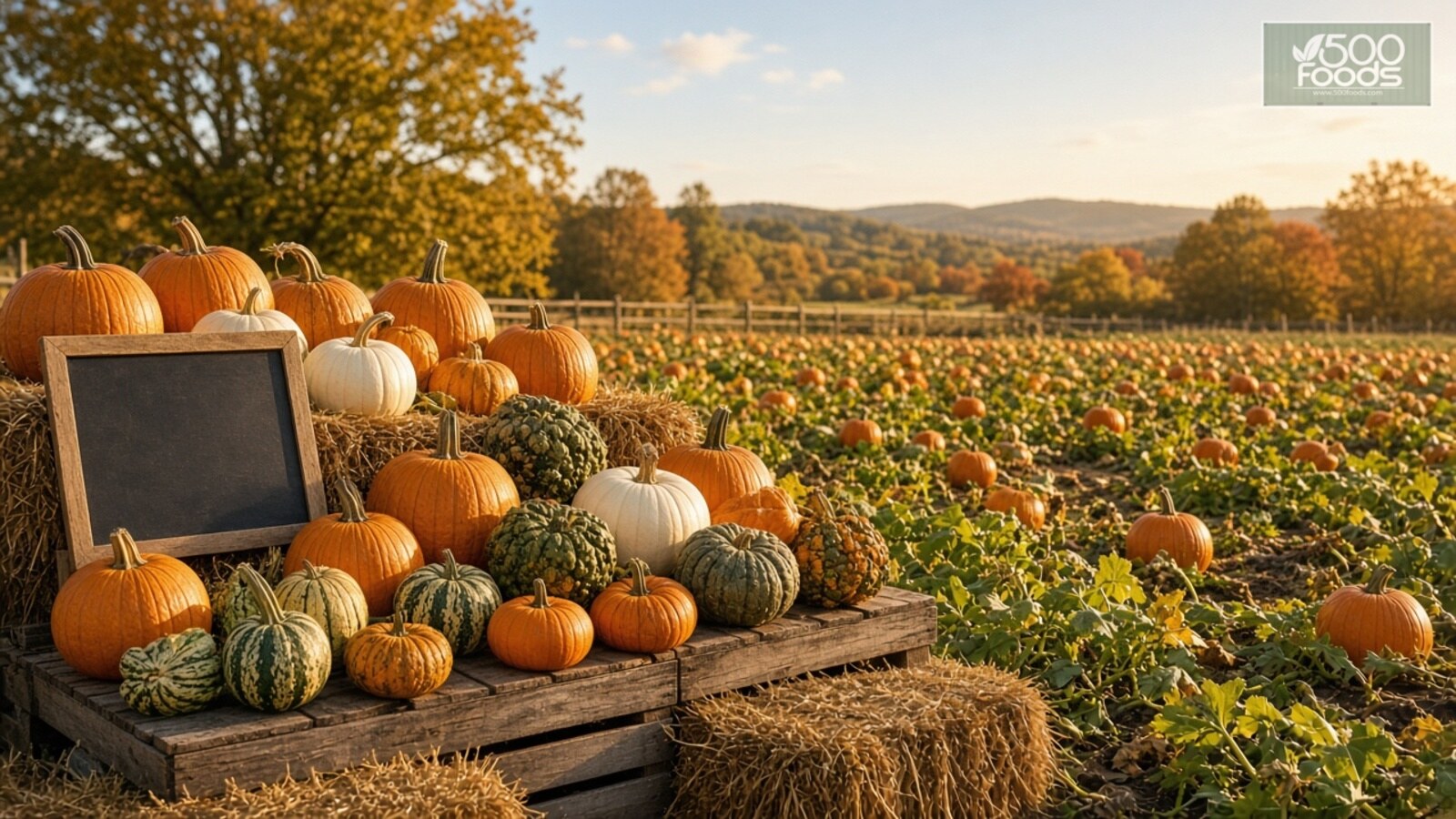
Every October, pumpkins seem to be everywhere: stacked at farm stands, piled in grocery bins and lined up on porches. A short data piece from Investigate Midwest, republished by Ag Daily, uses USDA figures to make a point that small growers will recognise: the state that grows the most pumpkins is not the state that earns the most per pumpkin.
Two very different pumpkin markets
Pumpkins go to one of two places. Most go to the fresh and ornamental trade: jack-o'-lanterns, fall displays, decorative squash and pumpkins bought whole for cooking. The rest go to processing, where they become canned pumpkin and purée. According to the USDA figures cited in the piece, roughly 85% of U.S. pumpkin acreage served the fresh and ornamental market in 2022.
Five states (Illinois, California, Indiana, Michigan and Pennsylvania) grew nearly three-quarters of the 2025 crop. Total output was about 7% below the 2022–24 average, yet still worked out to more than four pounds per person.
Most volume, lowest price
Illinois leads in both harvested acreage and yield, producing slightly more than the other four top states combined. Much of that crop is tied to the canning plant at Morton, the village that calls itself the "Pumpkin Capital of the World" and supplies most of the world's canned pumpkin. Around seven in ten Illinois pumpkin acres go to processing.
That is the catch. Processing pumpkins generally sell for less than fresh ones, and Illinois growers received the lowest average price of the leading states. Pennsylvania growers, selling mostly into the fresh market, averaged $269 per 1,000 pounds, nearly six times the Illinois figure.
What this means for smaller farms
For organic growers and hobby-sized farms, this is a useful reminder that yield is only half the equation. A processing contract rewards scale, uniform fruit and low cost per tonne, which favours big operations with harvest machinery. The fresh market rewards something else: the right pumpkin, in the right place, at the right time of year.
A few practical takeaways follow from the numbers:
- Grow for the buyer you have. If you sell at a farm stand or farmers market, variety, colour, shape and size matter more than raw tonnage. Heirloom, white, warty, miniature and pie pumpkins can each command their own price.
- Sell the experience, not just the fruit. Pick-your-own patches, corn mazes, hayrides and school visits turn a field of pumpkins into an agritourism day out, and visitors pay for the afternoon as well as the pumpkin.
- Plan for a short window. Ornamental demand collapses after Halloween. Staggered plantings, good curing and storage, and a plan for leftovers (pie pumpkins, seed, livestock feed, compost) protect the margin.
- Watch quality closely. Fresh buyers judge on looks. Healthy vines, clean handles and unblemished skin depend on disease control, pollination and careful harvest handling.
The bigger picture
The pumpkin story is a neat case study in why "how much did you grow?" is the wrong first question for many small farms. The better question is "who will buy it, and what will they pay?" A smaller field sold directly to customers at fresh-market prices can earn more than far larger volumes sold under contract to a cannery. That logic applies well beyond pumpkins, to many crops where direct sales and on-farm experiences let smaller growers capture more of the value.
How we find, write and illustrate these stories, and how you can share them: see Welcome to Better Than Organic.
AI-generated post text and image content are shared under CC BY 4.0.