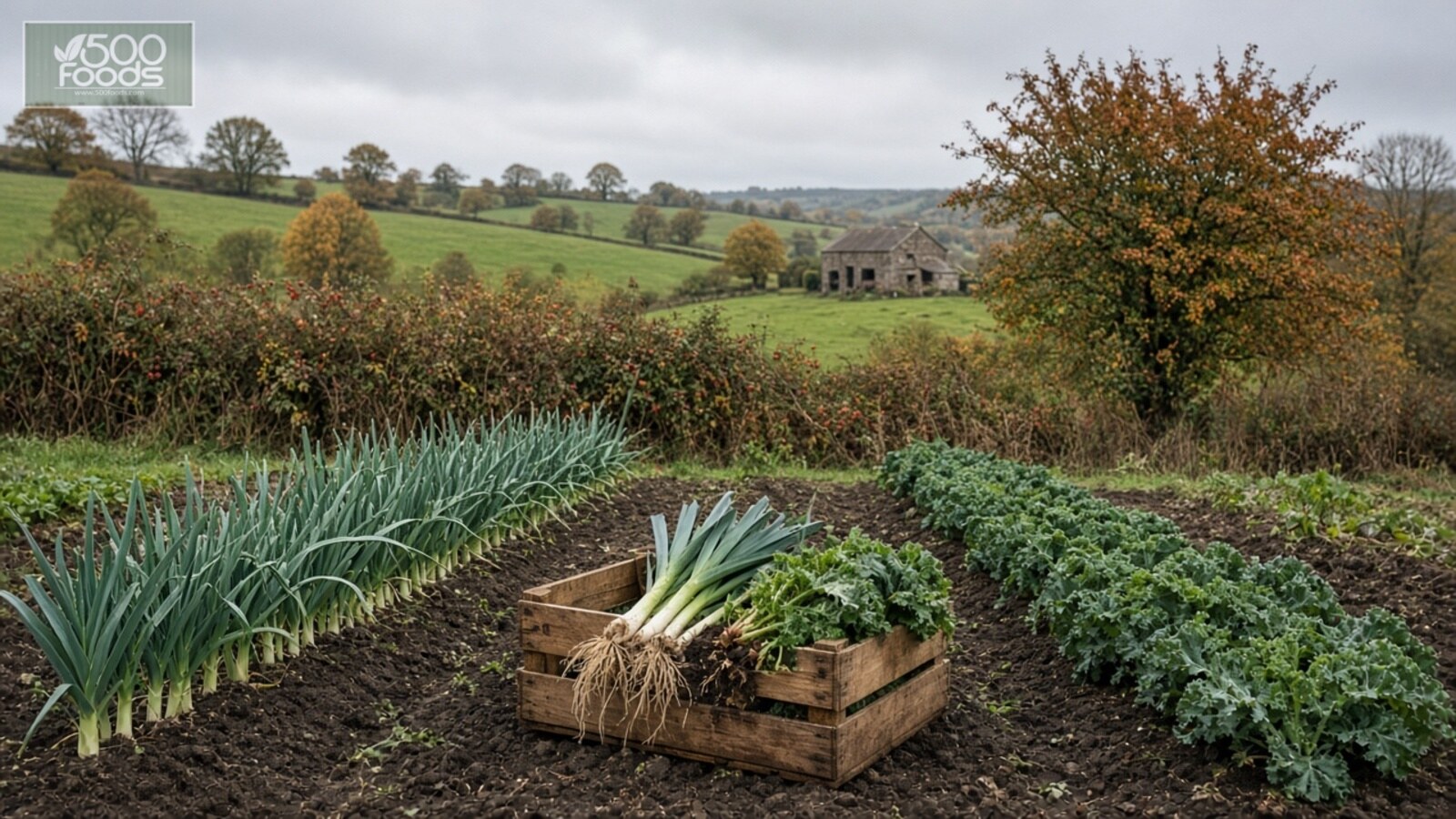
England now has a number to aim for. On 14 October, the Department for Environment, Food and Rural Affairs (Defra) published the Organic Action Plan for England, with an ambition to grow organically managed farmland from about 3.4% today towards 10% by 2036. For growers weighing a switch, or small farms already working close to organic standards without the label, the useful question is not whether the target sounds bold. It is what the plan actually changes on the ground.
What the plan covers
The plan was written jointly by Defra and the English Organic Forum, and the two will oversee it together over ten years. It is built around three themes: supporting current and new organic producers and processors, bringing home-grown supply closer to demand, and building demand through consumer awareness and public sector buying. Organic food sales in the UK are now worth more than £3.9 billion a year, yet much of what shoppers buy is imported. Closing that import gap year on year is the first of five outcomes the plan will be measured against.
The 10% goal is framed as an ambition, not a legal target, and it spans horticulture, arable crops, poultry, red meat and dairy.
Timelines and money
The plan sets out its actions in stages. Year one is mostly about information: keeping a clear organic offer inside the Environmental Land Management schemes, building signposting on certification, payments, financial modelling and markets, and giving would-be converters one-to-one guidance through existing advisory services. Years two to four focus on growth support for specific sectors. Years five to ten turn to innovation, processing capacity and supply chains.
The plan brings no new money. Payments still come from the Sustainable Farming Incentive (SFI) and Countryside Stewardship. Under SFI26, conversion pays £298 per hectare a year on rotational land and £874 on horticultural land, for up to two years. Once land is fully organic, management payments drop to £132 per hectare for rotational land and £707 for horticulture, on three-year terms. Defra says it will keep these rates under review, but no change has been announced. SFI26 is also closed to new applications, with no date yet for the next window.
What it means for growers
For a small vegetable grower, the numbers matter. Conversion takes about two years, when costs rise and produce cannot yet be sold as organic. The horticulture payment helps, but it does not remove that risk, and the plan admits that advice and market access, not cash alone, have held farmers back.
The public procurement and supply chain work may prove more valuable over time than the payments. A school or hospital contract can steady demand far better than a premium that comes and goes. Non-certified growers who already farm with few inputs should watch the year-one guidance closely, since it is meant to show whether certification pays for their scale. Getting from 3.4% to 10% means roughly tripling the organic area in a decade, which has rarely happened anywhere without stronger financial pull. The plan sets the direction. Its first real test will be the next SFI window.
References:
- Organic Action Plan for England, Defra and English Organic Forum (October 2026)
- Plan to unlock organic market for stronger farms, more homegrown food, GOV.UK news release (14 October 2026)
- SFI26: scheme rules and guidance, Defra and Rural Payments Agency (2026)
- OFC4: Organic conversion – horticultural land, GOV.UK (2026)
- The Organic Action Plan for England: a 10% target, no new money, and what SFI already pays for conversion, UKPAI News (2026)
How we find, write and illustrate these stories, and how you can share them: see Welcome to Better Than Organic.
AI-generated post text and image content are shared under CC BY 4.0.